Kerry National Park: Accessible Trail Network
Gentle loop trails with minimal elevation gain. Stunning mountain and valley views without the strain. Multiple exit points if you need to rest midway.
Why Kerry's Trails Stand Out
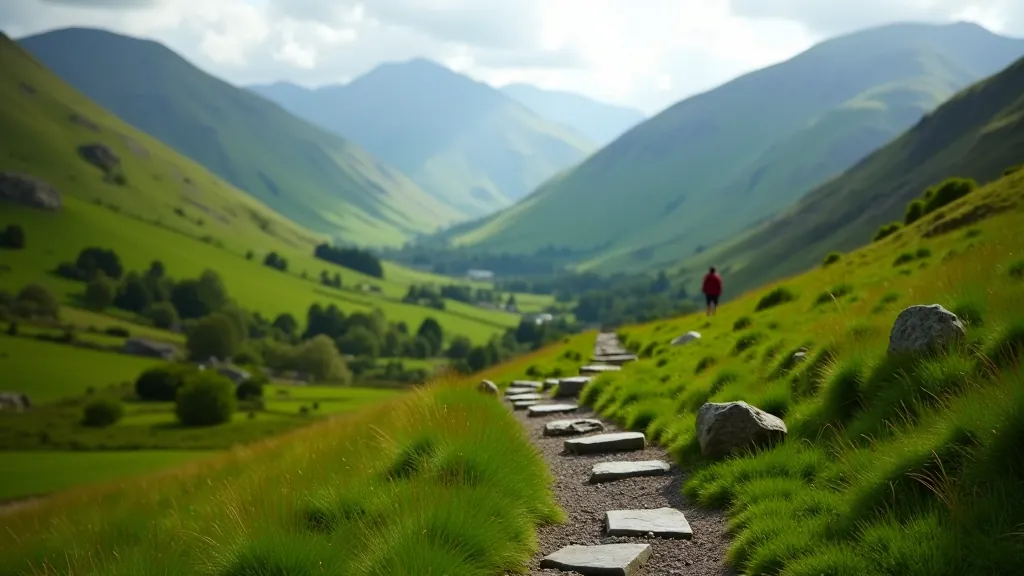
Kerry National Park isn't just beautiful — it's genuinely designed for people who want to move at their own pace. We're talking properly maintained paths, clear signage, and rest areas that don't feel like an afterthought. The park spans nearly 10,000 hectares, but you don't need to tackle it all at once.
What makes these trails special is the variety. You've got everything from lakeside walks to mountain views, all accessible without extreme fitness demands. Most visitors don't realize there are routes that take less than an hour, yet still deliver that sense of real achievement.
5 Main Trail Networks
Each area has accessible routes with varying difficulty levels
Wheelchair Access
Several sections fully accessible with smooth surfaces and gradual inclines
Rest Areas Everywhere
Benches and shelters placed every 15-20 minutes of walking
The Main Routes Explained
Muckross Lake Loop
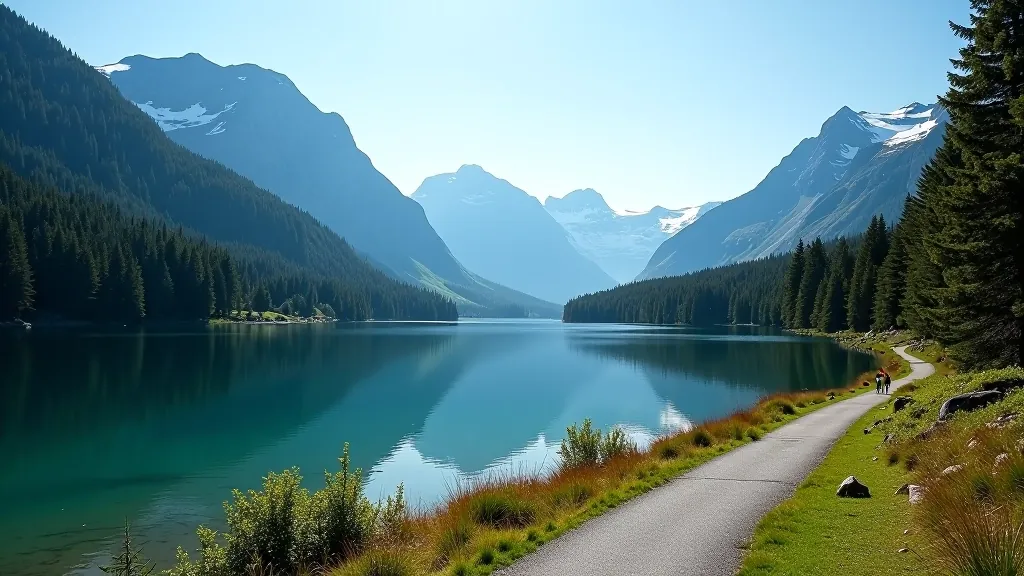
This is probably the most popular choice, and for good reason. It's a 4.2-kilometre circuit around the lake with almost no elevation change. You'll see native oak woods, open parkland, and the water reflecting mountains the entire way. The path is well-maintained tarmac for the first half, then gravel with decent drainage. Most people do it in 60-75 minutes at a relaxed pace, and there's a proper visitor centre with facilities at the start.
Torc Mountain Lower Route
Don't be intimidated by the name. The lower route is gentle, following a stream through forest with minimal climbing. You'll gain about 150 metres over 3 kilometres, but it's spread out so it never feels steep. The waterfall views are brilliant, especially after rain, and there's an old stone bridge that's been there since the 1800s.
Ladies' View Access Path
The full Ladies' View hike is 8 kilometres, but you don't need to do all of it. There's a 2-kilometre accessible section that gets you close enough to see the panorama — three valleys, two lakes, and mountain ridges stretching to the horizon. It's steep in places but short, with proper steps and handrails where needed.

Planning Your Visit
Best Times to Go
Late spring through early autumn is ideal. You'll want May through September for consistent weather. July and August are busiest, so consider going in shoulder months if you prefer quieter paths. Mornings are generally less crowded than afternoons, especially on weekends.
What to Bring
- Sturdy walking shoes with good grip (not trainers)
- Waterproof jacket — weather changes quickly in mountains
- Sun protection and a hat
- A walking stick if you normally use one — these paths reward you for it
- Water bottle and light snacks
Accessibility Features
The visitor centres have accessible toilets and parking. Several routes have designated accessible parking areas closer to trail entrances. Park staff can advise on which paths work best for mobility aids — don't hesitate to ask.
Before You Start
This guide is informational only. Weather conditions, trail maintenance, and accessibility features can change. Always check current conditions with Kerry National Park visitor services before visiting. If you have specific health concerns or mobility limitations, speak with your doctor before attempting any trail. Individual fitness and ability vary — choose routes that match your actual capacity, not aspirational versions of it.
Making the Most of Your Time
Start Early
You'll have the trails mostly to yourself and better light for photos. Plus, you're fresher in the morning.
Take Breaks Often
Don't wait until you're tired. Stop at every bench, enjoy the view, have some water. It's not a race.
Download Maps
Phone signal isn't reliable everywhere. Get offline maps before you start. The park website has detailed route maps.
Wear Layers
Mountain weather's unpredictable. You might start in sunshine and hit rain within an hour. Layers let you adapt.
Tell Someone Your Plan
Let a family member know which route you're doing and when you expect to be back. Basic safety, nothing complicated.
Know Your Exit Points
Most routes have spots where you can turn back early. This removes pressure and lets you enjoy what you can do.
What to Expect on the Trail
The experience of walking these trails is fundamentally different from walking on roads or in towns. There's something about being surrounded by mountains and forest that changes how you move and breathe. You'll notice birdsong. You'll see details — how moss grows on rocks, how light filters through leaves, the way water moves in streams.
Most people find they can walk farther in nature than on flat pavement. The terrain actually engages your muscles differently — in a good way. And the psychological effect of being in landscape this beautiful is real. People often feel more relaxed, sleep better, and notice their mood improves for days afterward.
You're not alone out there either. You'll meet other walkers, photographers, families. There's a friendly atmosphere on these trails. People say hello, share tips about what they've seen. It becomes social without being crowded.
Why These Trails Matter
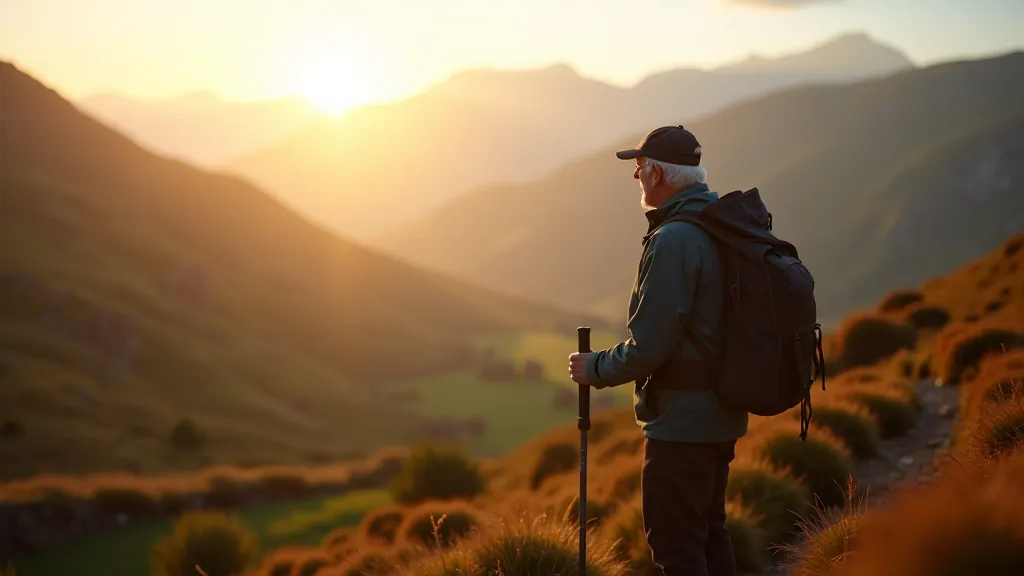
Kerry National Park's accessible trail network isn't a compromise version of "real" hiking. It's genuinely excellent walking in genuinely beautiful landscape. The fact that it's accessible to people over 60, people with mobility considerations, and people who just want a gentler pace doesn't diminish the experience — it expands who gets to have it.
You don't need to prove anything out there. You don't need to reach a summit or complete a certain distance. You just need to show up, move at your pace, and let the landscape do what it does. That's enough. That's everything, really.

Related Guides