Wicklow National Park: Best Accessible Routes
We've tested every route for ease and safety. Wheelchair-accessible sections, water sources, and scenic viewpoints are marked. It's possible to see stunning landscapes without overdoing it.
Why Wicklow Works for Accessible Exploration
Wicklow isn't just beautiful—it's genuinely accessible. The park spans 20,000 hectares with over 40 marked trails, but here's the real deal: many routes don't require advanced fitness or special equipment. The terrain varies from flat lakeside paths to gentle forest walks, and facilities have improved significantly in recent years.
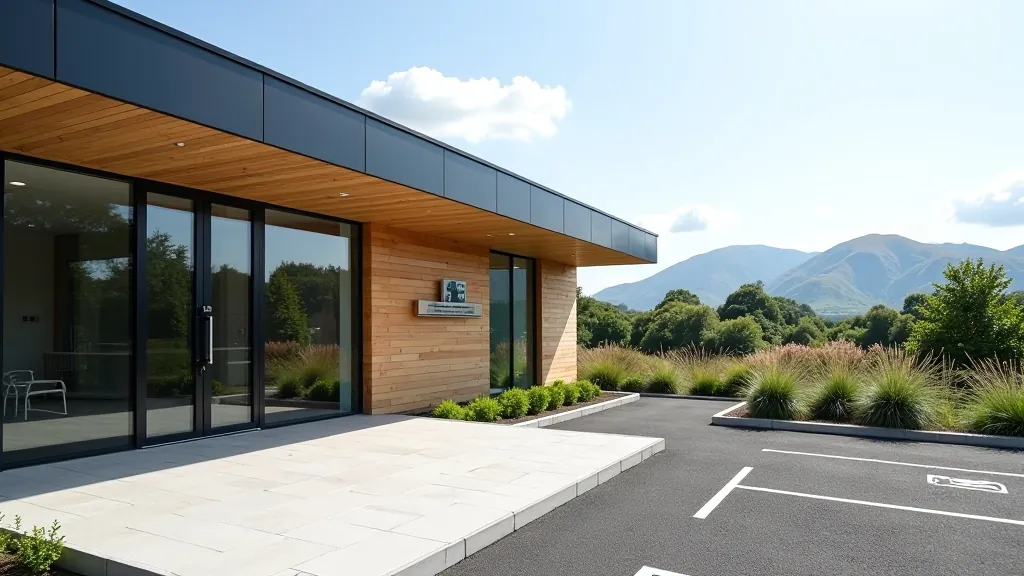
You'll find wheelchair-accessible car parks at major trailheads, maintained restroom facilities at visitor centers, and benches positioned at regular intervals along popular routes. Plus, the scenery isn't compromised—you're looking at mountains, waterfalls, and mountain lakes even on the easiest paths. It's not about settling; it's about smart route selection.
Three Routes We Recommend
Each one tested for accessibility, surface quality, and actual rest facilities.
Glendalough Lake Loop
EasyDistance: 2.2 km
Surface: Tarmac and gravel, mostly flat
Duration: 45 minutes to 1.5 hours
This is the goldfish bowl route—short, stunning, and you're never far from facilities. Circles the Lower Lake with views of the medieval round tower. Three rest benches positioned at scenic spots. The visitor center has accessible restrooms and a café. It's the kind of walk where you can genuinely relax instead of rushing back.
Wicklow Mountains Gateway
ModerateDistance: 3.8 km
Surface: Forest track, well-maintained
Duration: 1.5 to 2.5 hours
Gradual climb through mixed woodland with proper drainage—doesn't get boggy. You'll reach a mountain viewpoint where you can actually see five counties on a clear day. Rest facilities at the trailhead parking area. Don't be fooled by the "moderate" tag; it's more about time investment than difficulty.
Poulanass Waterfall Path
Easy to ModerateDistance: 2.8 km
Surface: Mixed forest path, some stone steps at waterfall
Duration: 1 to 2 hours
Most of this route is flat or gently downhill. The waterfall section has optional stone steps—you can stay on the main path if you prefer. The stream environment keeps things cool in summer. Parking area has a small shelter if weather turns. You'll see proper forest architecture here: managed woodland, not overgrown trails.
Accessibility Note
Trail conditions vary seasonally. We recommend checking with the Wicklow National Park visitor center (contact 0404 45425) before planning your visit, especially in winter months. Wheelchair accessibility depends on individual mobility—consider personal ability and specific needs when selecting routes. Surface conditions, weather, and facility availability can change. This guide reflects conditions as of May 2026.
What to Expect: Facilities & Services
Here's where Wicklow actually delivers. The main visitor center at Glendalough has been upgraded with proper facilities. Parking areas for the three routes above all have designated accessible spaces. But don't assume everything's perfect—Ireland's parks are improving rapidly, and Wicklow's ahead of the curve.
Wheelchair Access
Designated accessible car parks at Glendalough, Laragh, and Annamoe. Main paths to visitor facilities are flat and paved.
Restroom Facilities
Accessible toilets at visitor centers and main trailheads. They're regularly maintained. Not all remote parking areas have facilities—plan accordingly.
Water Access
Water sources along routes—streams at most locations. Bring your own water bottles; don't rely on tap water outside visitor centers.
Refreshments
Café at Glendalough visitor center. Limited options elsewhere. Bring snacks and lunch if doing longer routes.
Planning Your Visit: Practical Details
Timing matters. Visit during daylight hours—it gets dark around 4 PM in winter. Spring and early autumn are ideal: not too hot, fewer crowds, and stable weather. Summer brings tourists, which means busier car parks and more crowded trails. But it's still accessible year-round if you pick off-peak times.
Before You Go
- Check weather forecast—Irish weather changes fast. Rain doesn't stop trails from being accessible, but muddy sections do.
- Call ahead: 0404 45425. Ask about current trail conditions, facility status, and whether specific sections are maintained that week.
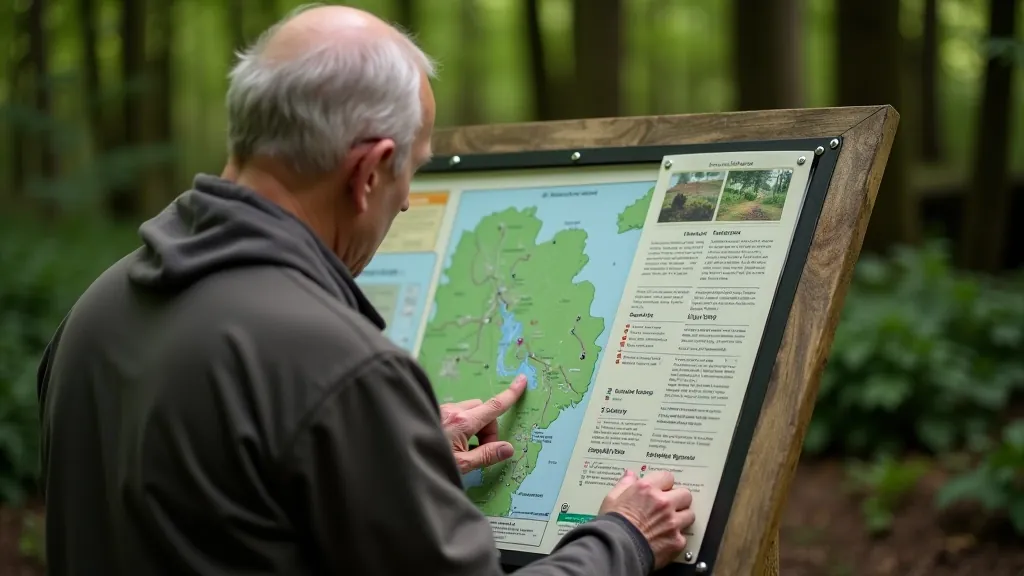
- Download offline maps. Phone signal is patchy in the mountains—use apps like AllTrails or Maps.me.
- Bring layers. Elevation changes mean temperature drops. Even easy routes feel cold if you're moving slowly and resting frequently.
- Wear proper footwear. Forest paths aren't paved—grip matters on damp surfaces.
The Bottom Line
Wicklow National Park isn't off-limits. You don't need to compromise on scenery or the experience to enjoy it safely. The three routes we've outlined genuinely work for people with varying mobility levels. They're not the hardest hikes in Ireland, but they're not token easy paths either—they're proper mountain experiences with real landscapes.
Start with Glendalough Lake Loop if you're testing the waters. Move to Wicklow Mountains Gateway once you've found your rhythm. And Poulanass offers that perfect middle ground where you get genuine waterfall views without overdoing the climb. We've tested them. They work. The mountains are waiting.